
WIACT Native Trees for Education Program
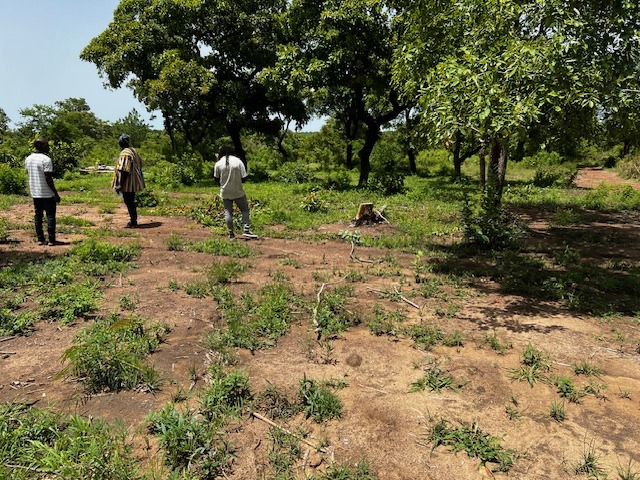
A number of economically valuable native trees in Savannah Region are severely endangered, including the African Rosewood, Mahogany, Shea trees, Ebony, and likely others that have so dwindled in population that people have lost connection to the species. The slow but accelerating deforestation in this region began during the colonial era with charcoal making. Fast foreward to Chinese Belt and Road initiatives, one started in this region around 2012 and was only stopped when a chief started questioning why so many rosewood logs were being loaded onto trucks and sent south to Tema and shipped to China. Indeed the cutting was so extensive that it is nearly impossible to find rosewoods anywhere near highways and roads in the region.
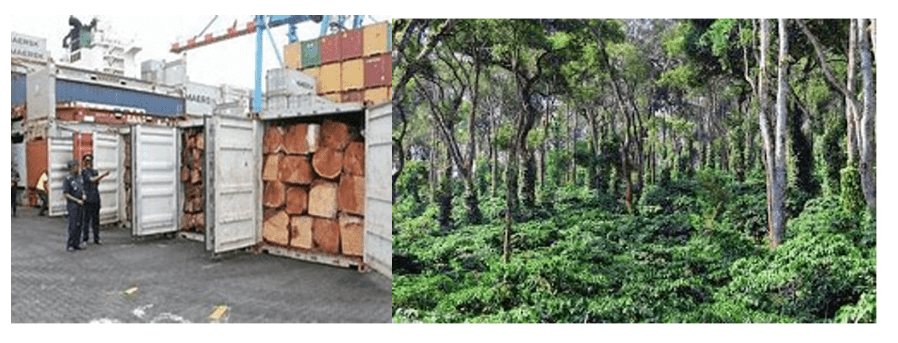
In Spring 2020, WIACT staff planted a native tree nursery in Sawla to start reconnecting children and community members to the native species of trees which helped our peoples survive through millennia. The connections were being lost due to the Eurocentric schools teaching them from books about European trees and forests; and from government efforts to import and plant non-native species such as teak, which provides shade and wood but does not support the lives of other native flora and fauna whose habitats have been replaced.
Esteemed elder Bimata Buah taught staff to germinate cotton tree seeds after they couldn't succeed. When staff couldn't find rosewood tree seeds by going into the forests, Bimata told them to ask traditional hunters to help, because hunters would know where rosewoods are still living deep in forests, and when they produce seeds, because they hunt bush bunnies that nest in the thorny roots. They brought us seeds.
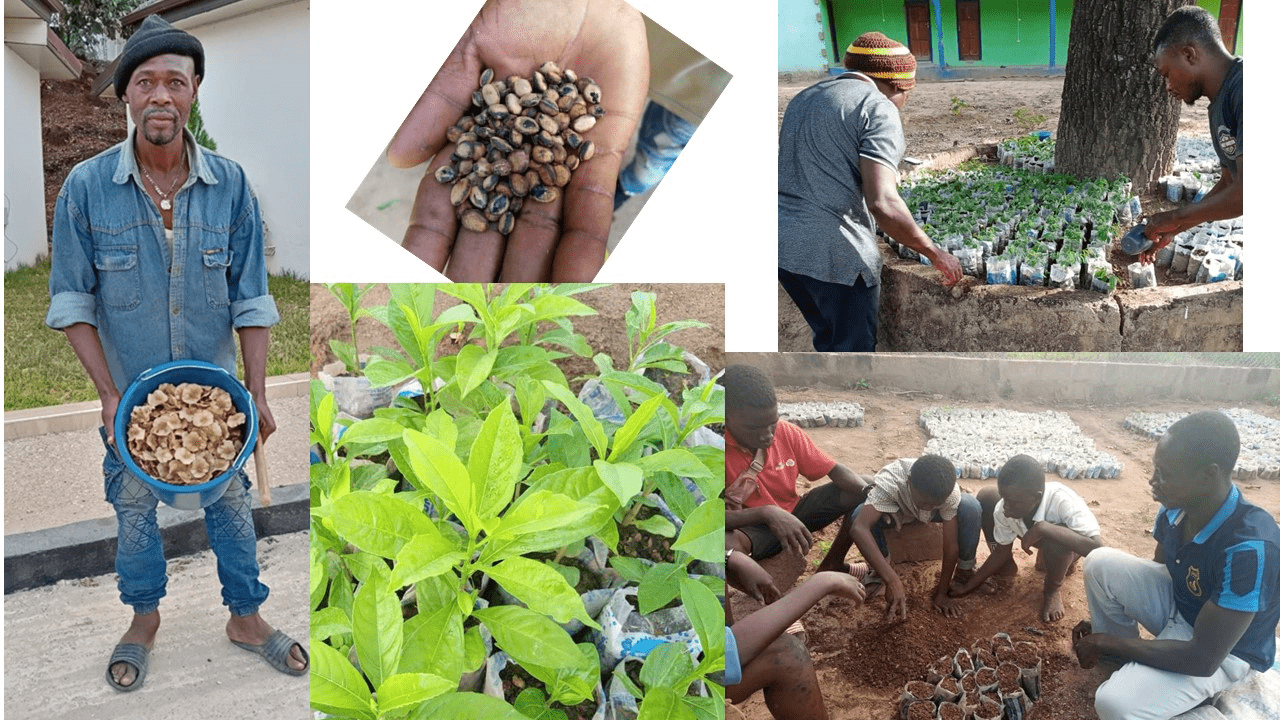
Preparing native tree nurseries
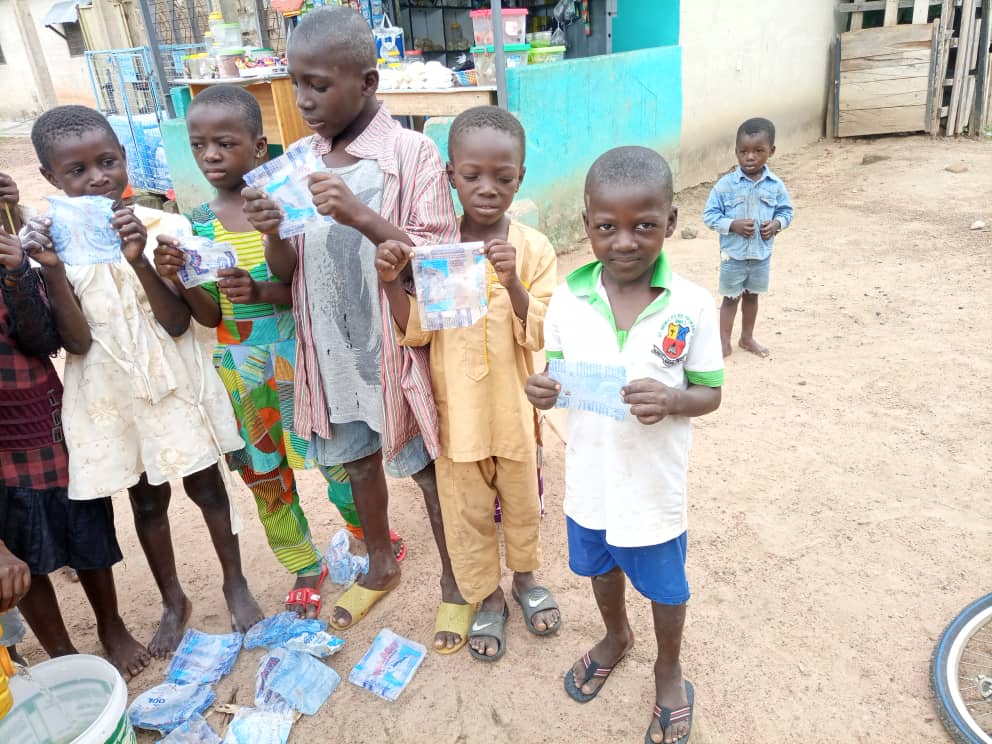
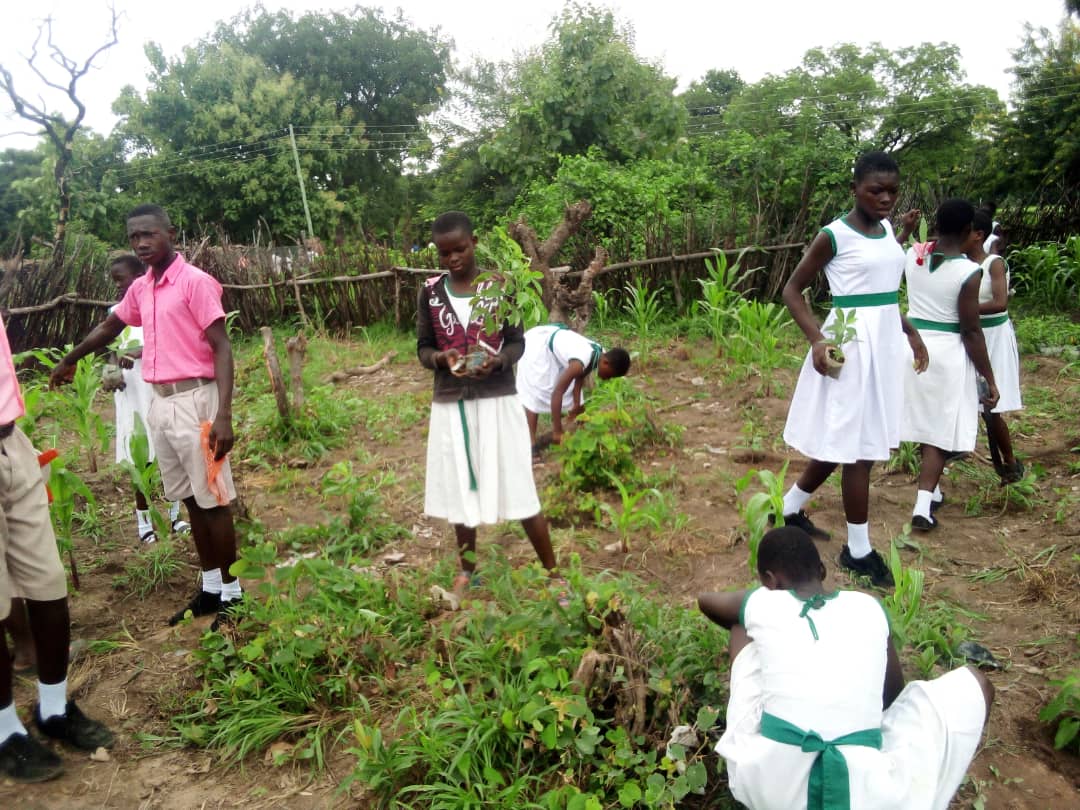
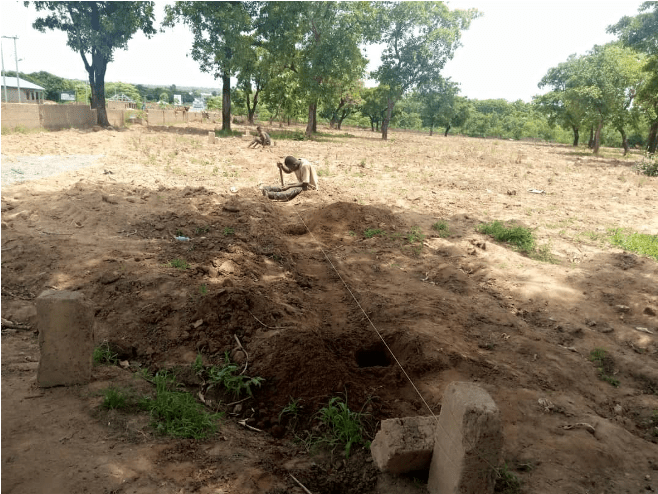

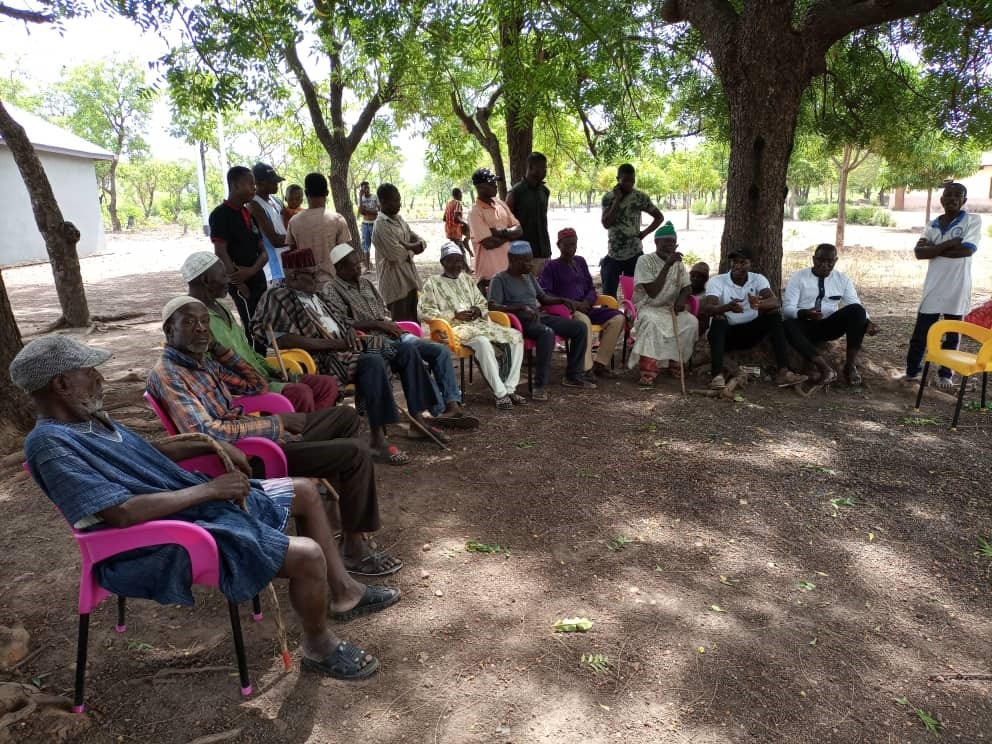
WIACT has now built native tree nurseries in five jr. high schools in Sawla and surrounding communities. Kids collect discarded clean water bags to use for germinating seeds, thereby helping to clean plastic out of the streets and fields. Teachers and kids collect seeds to germinate. They are growing nine species of native trees, and reconnecting kids and parents to these trees as they begin to understand how the trees cared for their ancestors.
While making the first nursery in Sawla, we started interviewing Gonjas and other tribes about traditional uses for the trees (see below). Working with CEHDAGhana, we developed a book of native trees and their uses in three native languages of the region--Brifor, Vagla, Gonja--along with English. The books are donated and will be expanded as curricula in schools with nurseries, so students are now reconnecting with, valuing, and caring for the the trees where they live. The seedlings they grow have been transplanted by parents, kids, other community members to their homes and surrounding lands.
As we get funding and more schools across the Region start nurseries, WIACT will work with chiefs to oversee transplanting the seedlings into land areas suffering from major clearing and cutting.
Dawa Dawa Tree
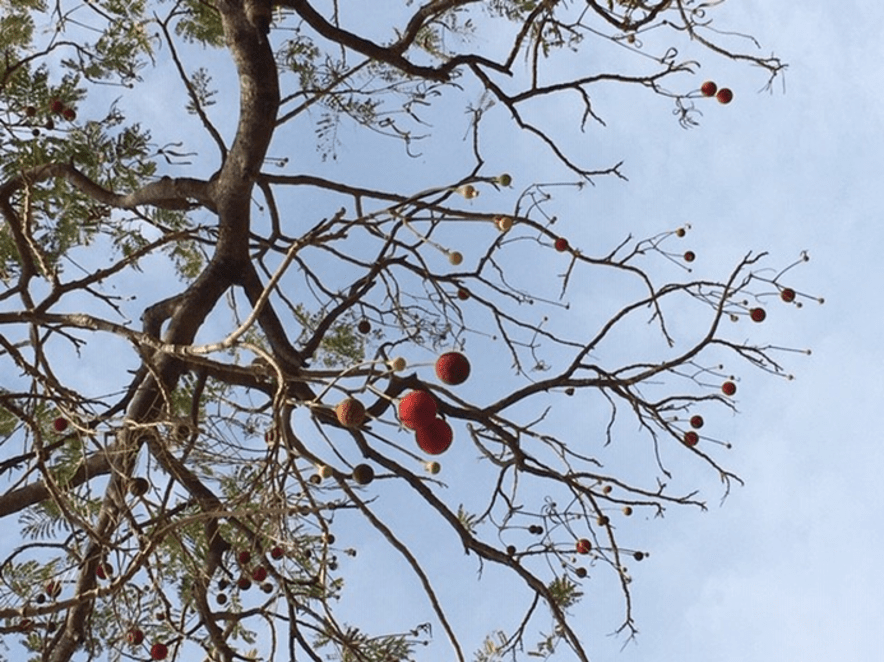
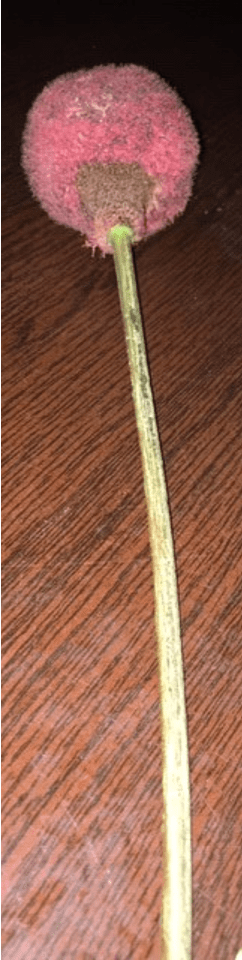
About Dawa Dawa tree: This tree is well known for the smell that the paste from the seeds produces. If you have dawa dawa in your house, you may have a problem with rats. The paste used in soups and sauces may need to be stored outside of the house. The fleshy part covering the seed that is not yellow can be mixed with dirt to form a cement like substance for use as the floor in traditional houses. Most of the tree has traditional uses but also is used as a shade tree. Children use the long stems with red seed ball to tickle one another.
ROSEWOOD TREE, Jenkklia
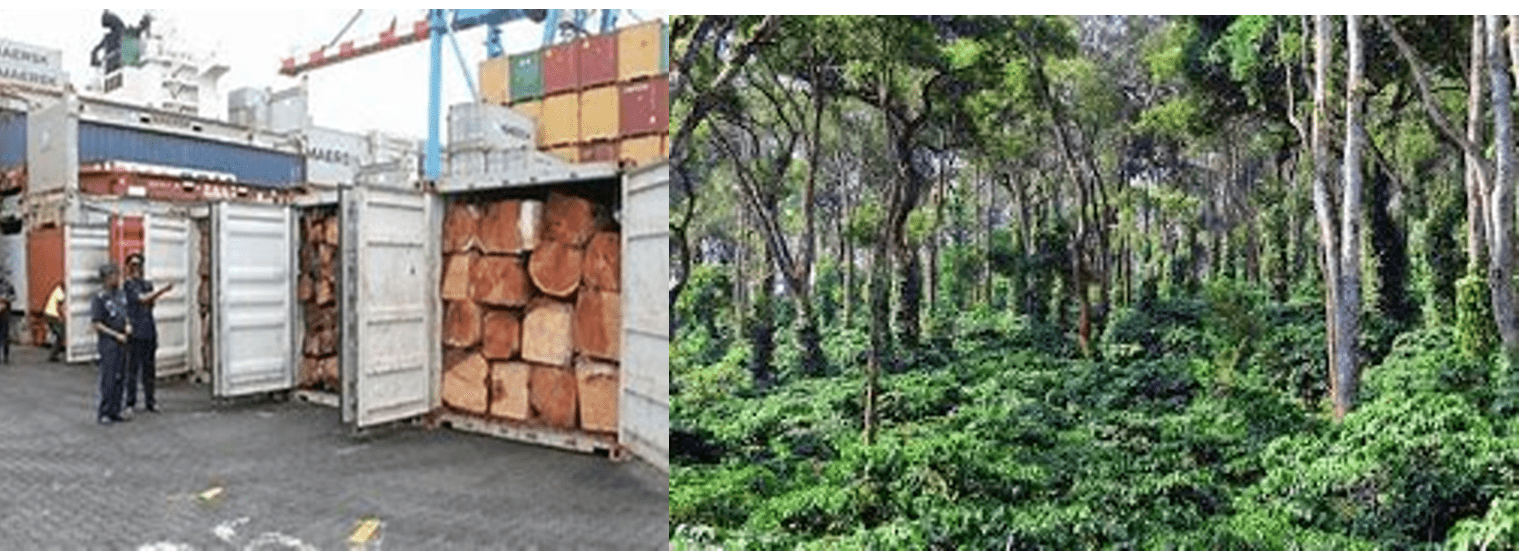
About Rosewood tree: This tree has been exploited by foreign interests due to the value of the wood. It is no longer seen near roads or towns due to the extensive logging. Its strong wood has been used for beams in the roofs of houses; the leaves are used in traditional medicine. Its seed is known as "the rabbit shoe."
K'CHE (ANKYE) TREE
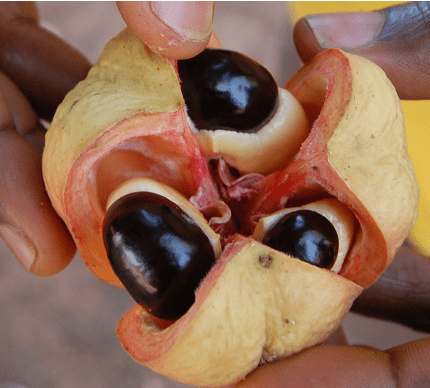
This is the fruit...
The white part is what is eaten, and the black seed is used in the k'waribi [awari] game.
COTTON TREE, Kaklia
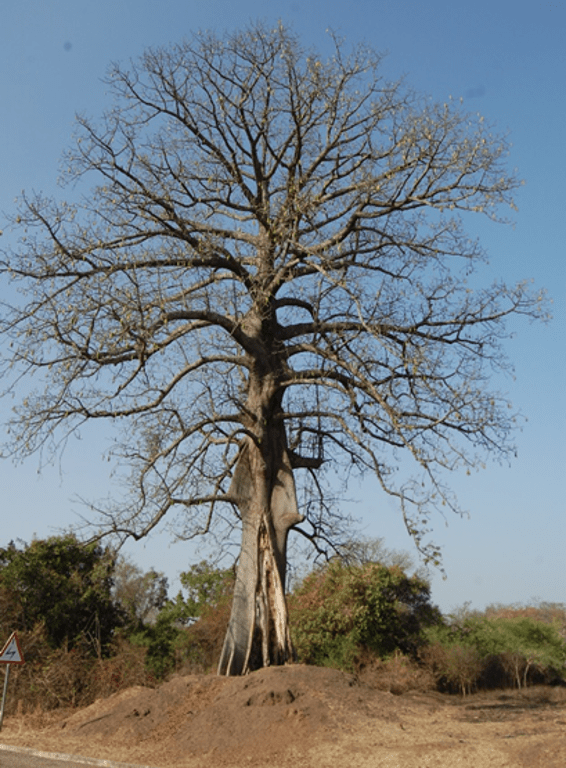
About the Cotton tree: This tree is vital for funeral procession of the Yagbonwura. Wood used in the procession must come from Kaklia trees on the grounds of the Traditional Palace at Nyaηε. This makes tree propagation and planting on this location urgent. The seeds are very important to make an oily sauce for new mothers to aid in milk production and return strength to the mother. The fibers are used for cushions. The wicks for lanterns are made from the cotton and used in combination with shea oil. Traditionally clothes were made from the fibers of the tree.
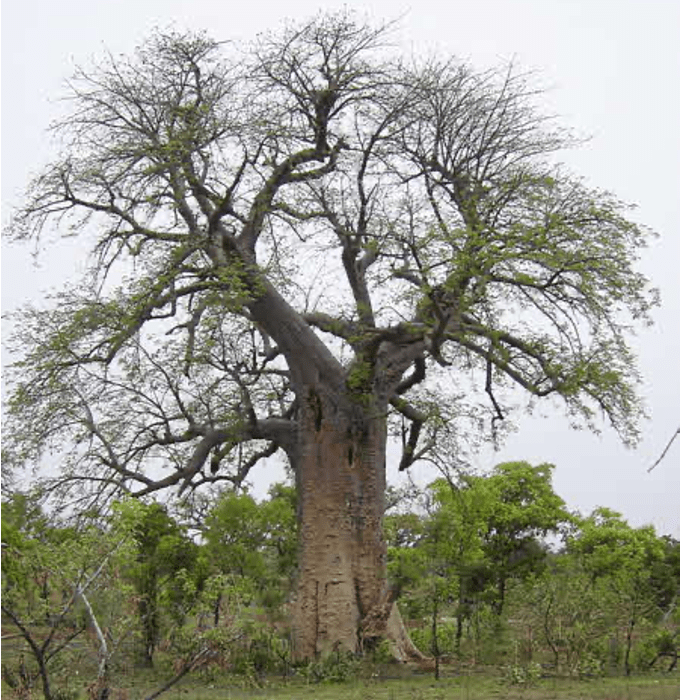
BAOBAB TREE Kalar yi (Kalar dibi)
“Sogle” [Sawla—a village in Savannah region] The first person who settled in that area settled under the baobab tree, so “sogle” means “under the baba tree.” K’ fruma [kuka] soup is made with the dried leaf of the baba, and the soup is called K’ fruma. It means something that falls on your body while you eat because it is a bit starchy and you drip it on you accidentally. “Spread on me” is what k’ fruma means. “Earth gets on you.”
[Rashid Iddrisu]
About the Baobab tree: If you are leaving your family to resettle with a new wife, your father will give you materials to plant in your next area. The K' lara seed is one of these. Hunters also take the fruit with them to eat and then plant the seeds if they will be hunting in an area for a long time or regularly.
Normally you find them in the old settlement areas…it lives around humans because people would plant it when they were moving around or settling somewhere. Thus it mostly lives in neighborhoods and old settlements. It does not permit big trees to come under it, so you do not often find it in forests. When you do find it in the forest, often it was because there was a settlement or farm or a hunter living there long ago. People who migrated brought the seed with them, and then they planted it because the tree shelters you from the rain.
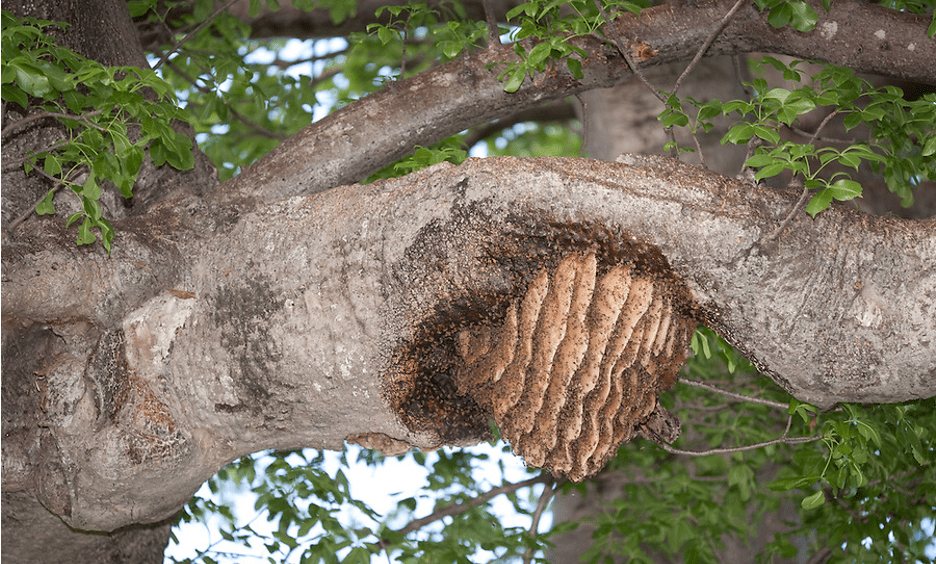
Bees always make honey in these trees if the tree is outside of the town center because the bark and tree trunk itself are soft, and there are little breakages that enable bees to establish a nest. Bees are always around baobabs. The tree makes holes and gives a space to them.