Our Services
WIACT has four ongoing formal problem-solving research/documentation projects, three were started with funding awards.
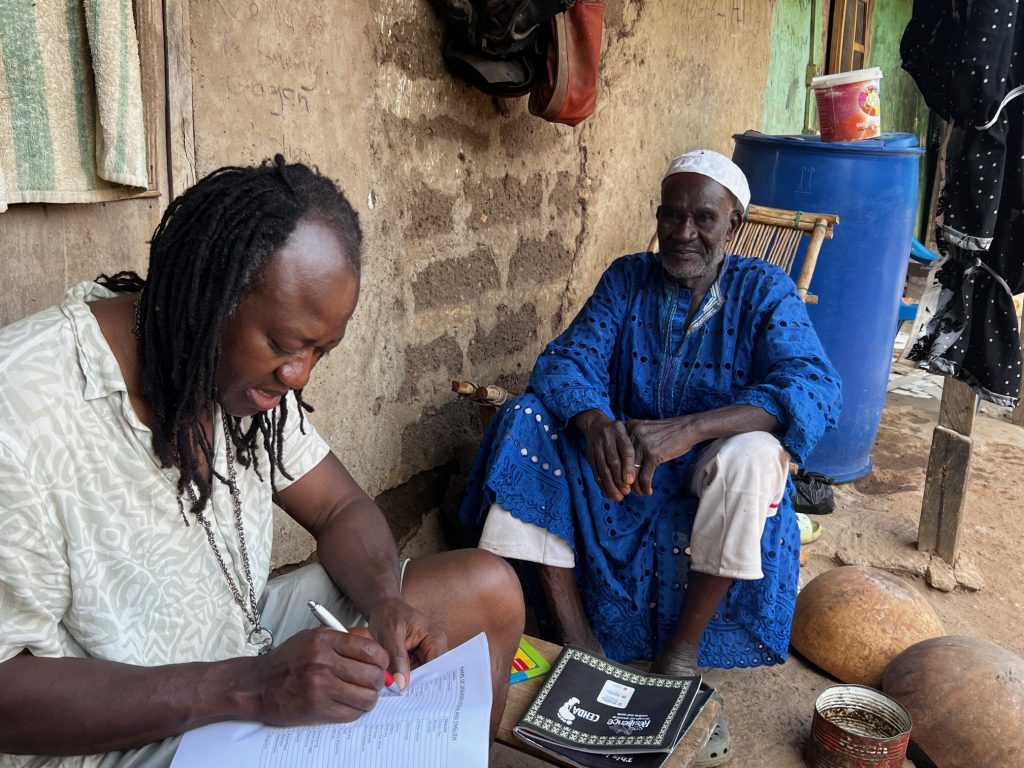
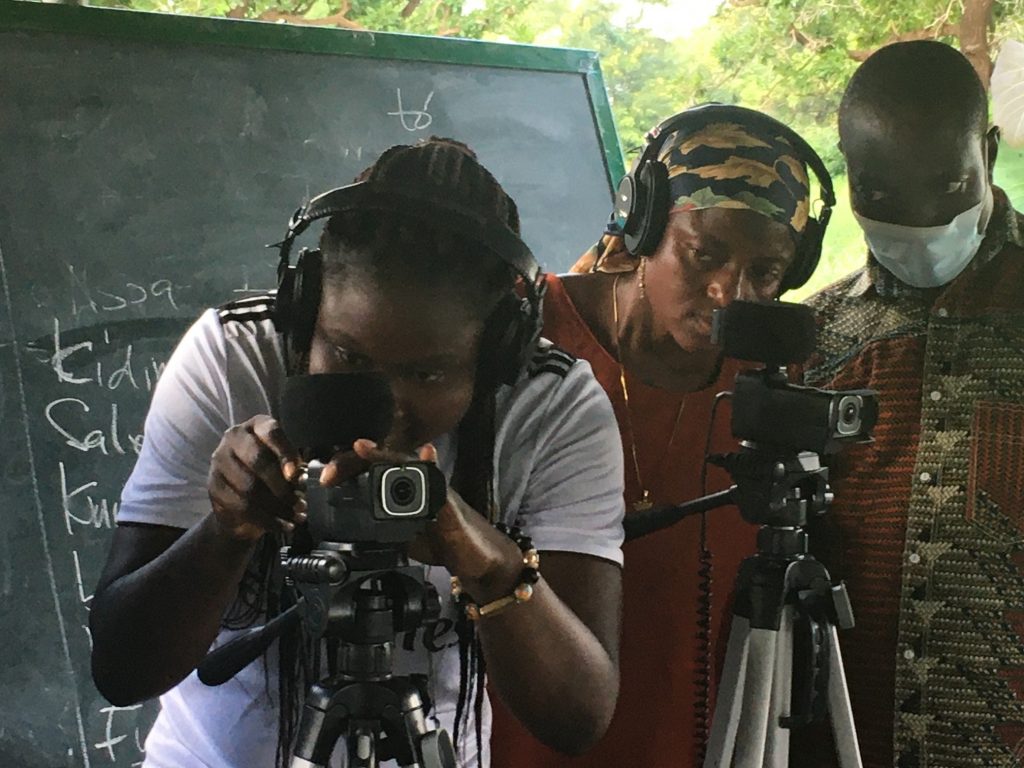
WIACT also trains community members to use audio and video equipment to help with interviews and documentation.
And we hold listening sessions with communities or interest groups such as tribes, women, leaders, youth, business owners, and educators.
Development needs assessment:
Savannah Region became a region in 2018 when the very large Northern Region was divided into three smaller regions. Savannah Region remains the largest among the 16 Regions of Ghana.
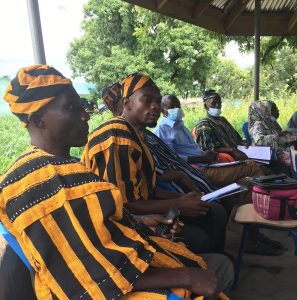
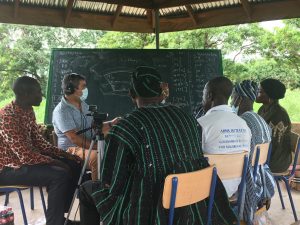
August 2022: With an international grant from UA RII office, we worked through our RPP to interview 140 men, women, and youth from several tribes living in the new region (Vagla, Lobi, Brifor, Fulani, Gonja, Dagamba) regarding development progress and continuing needs, with some indications of priorities. We got a wish list depending on livelihood strategy and traditional area (they vary in level of urbanization), but virtually all respondents want to see a cultural center as part of the plan for Nyane Palace Redevelopment that has been an aspirational goal since 2000.
Plans: compile more detailed report with data set; and provide to regional governance bodies, both from the State and from Traditional Chiefs and leaders. Ghana has legal and governance pluralism.
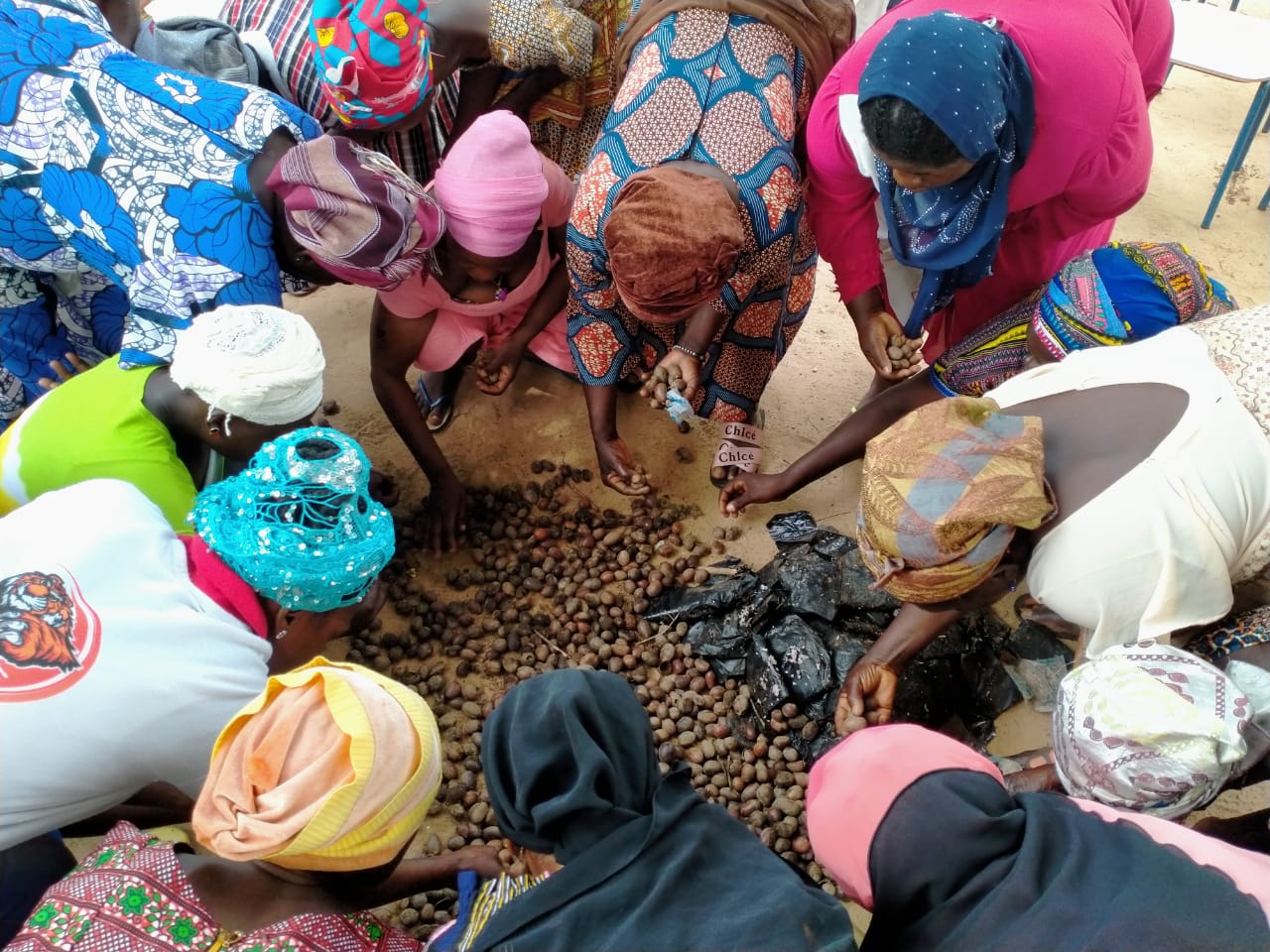
Traditional healing and assessment of native species declines on access to natural medicines.
March 2025: We began interviewing traditional healers at Mankuma about names of diseases they treat, and how. We walked a fairly pristine 2.5 hectare area with Sawlawura and discovered that neither he nor Iddrisu knew some of the big tree species. So the interviews with traditional healers are intended to help them conceptualize how to preserve this acreage with so many interesting and, no doubt, medicinal tree and plant species. Plans: engage them in Fall 2025 to walk the property with us as we work together to solve the problem of disappearing native flora that have been the source of critical nutrition and medical treatment over the course of the lifespan--pregnacy and delivery to old age.
Native Language and Species documentation:
- August 2021: Pre-workshop with subset of 10 participants for the following workshop of 30 to launch the longterm research agenda, led by Rashid Iddrisu
- Weeklong language documentation workshop in Sawla led by UA Professor/Brazilian Field Linguist Wilson de Lima Silva. Found phonetic drift as one travels West across Gonja traditional lands. It has led to semantic drift, resulting in loss of accuracy in understanding ancestral communication. Rashid's work with Jakli in 2012-14 examining phonetic drift led to recovering ancestral meanings in two songs analyzed in language project section of this website (UA RII grant).
- Next in Sept 2021-2024: Workshop participants fanned out across Savannah Region to find elders who knew the names of over 1000 species in Gonja. Next step: Set up an archival database to be accessed through our website.
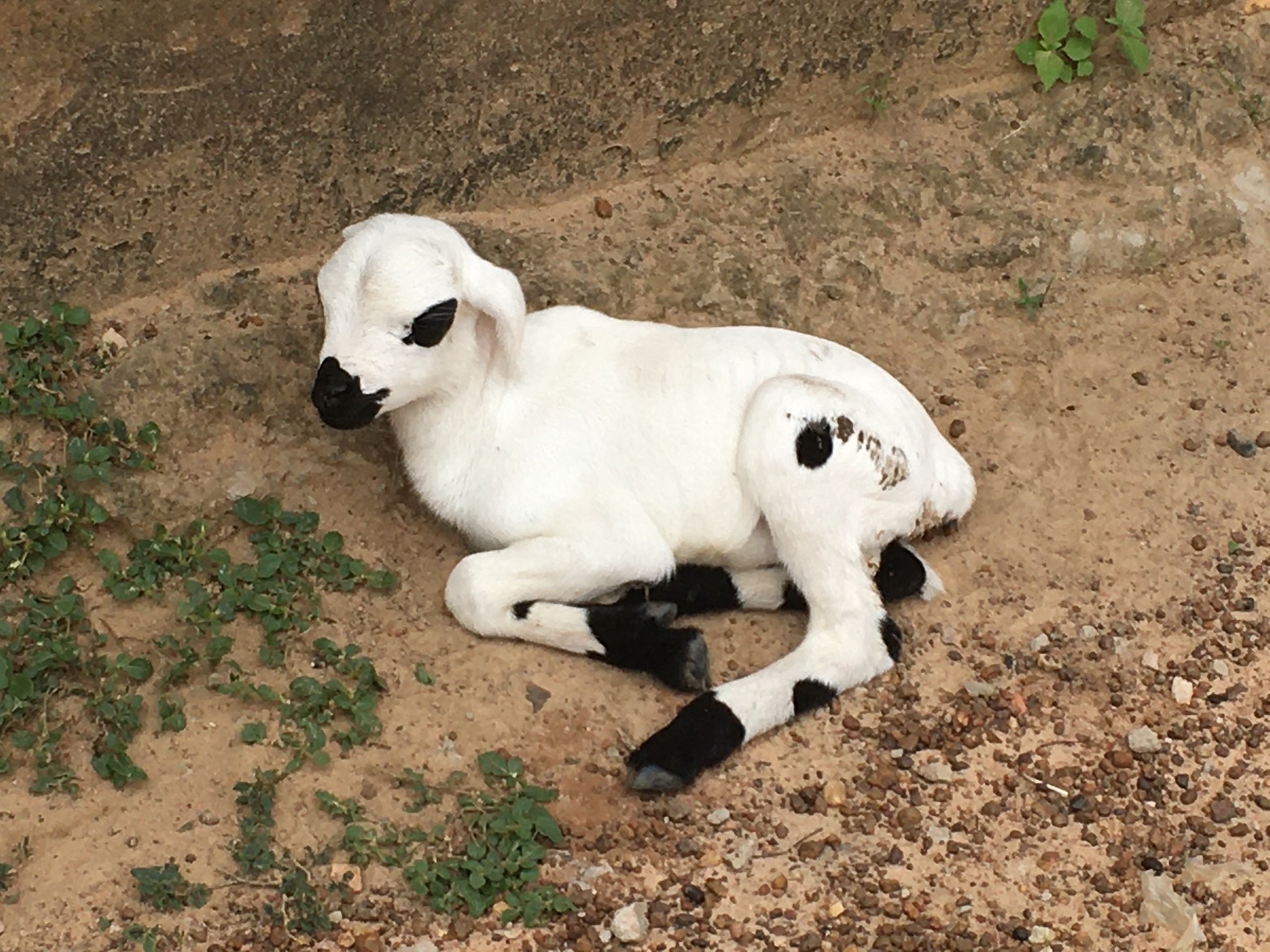
- March 2025: A Rise Intern and wildlife management student from UArizona College of Ag & Life Sciences--Britzy Rizo--took photos of bird species in central and western Savannah Region. Next step: Language researchers will show pictures to elders to learn the Gonja names for the birds, as well as what Elders know about the species.
Changes to customary land tenure:
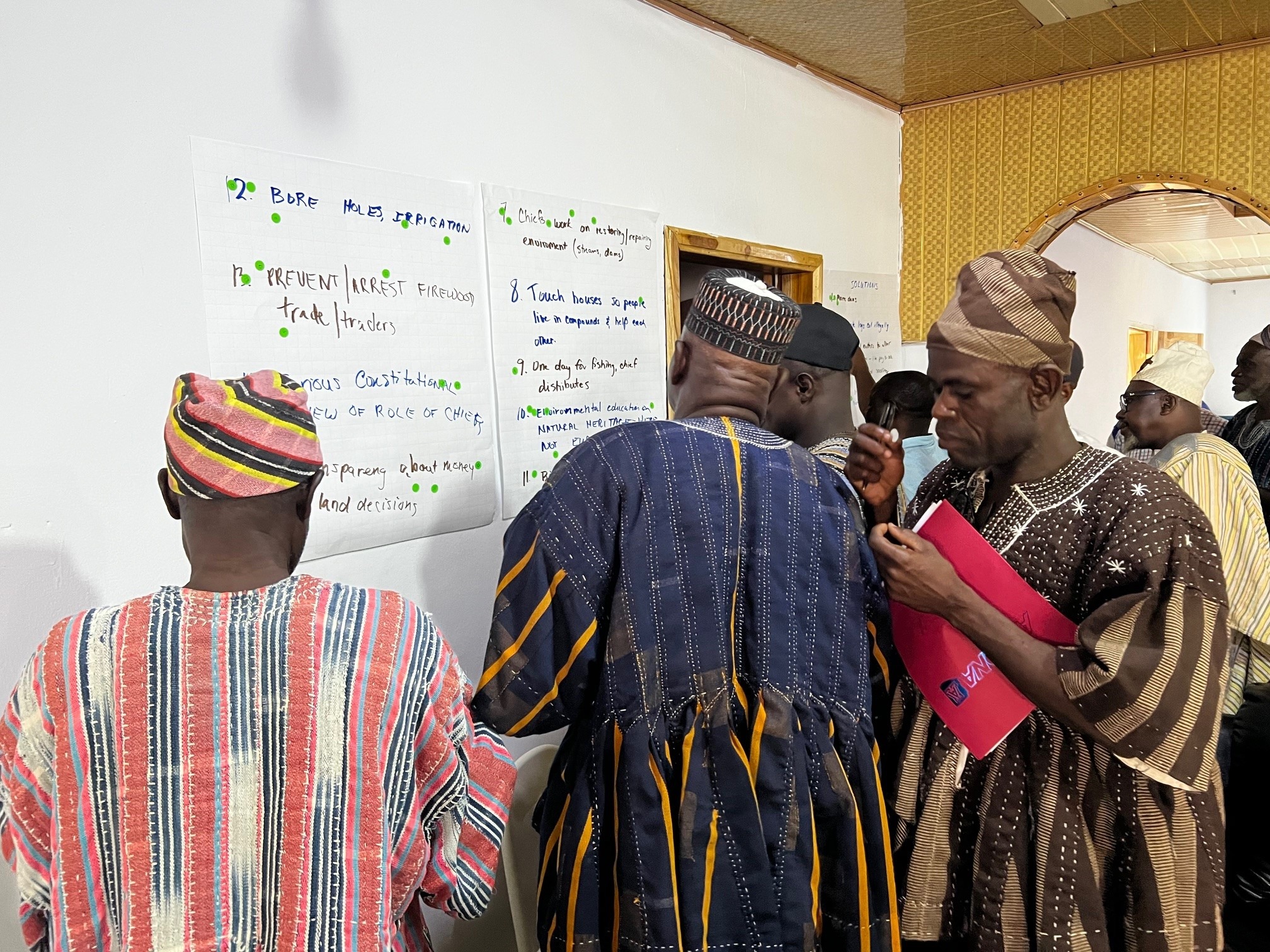
Jan - March 2023: Ghana passed a new land law in 2020 requiring registering of land with the national government office of land registration. With an Engaged Grant from Wenner Gren, our RPP set out to interview 38 chiefs, leaders, and youth about:
- their understandings of their new responsibilities under the law
- whether and how the law could change customary land tenure arrangements
- what the implications of those changes would be for various tribal and native species living in Savannah Region.
Gonja chiefs increasingly rely on revenues from leasing lands in their traditional areas, while the land law enables foreigners to gain lease, which are treated as private property. What will be impact to loss of commons, species habitat sufficiency, and other concerns?
April 2023: We held a workshop with 50 participants explaining findings and facilitating discussion about what could be done to solve the myriad, worrisome issues that emerged. Of most concern were plunging numbers of native species, and lack of payment to chiefs for fulfilling their duties, which may accelerate the need to sell long-term leases. Next step: the discussions were so intense that we only got through half of the findings, so, another workshop as well as report out to Yagbonwura and the Gonja Traditional Council.
Providing training on using Video and audio equipment for research & language documentation
Conduct listening sessions with communities or interest groups (tribes, women, leaders, youth, business entrepreneurs and owners, educators)
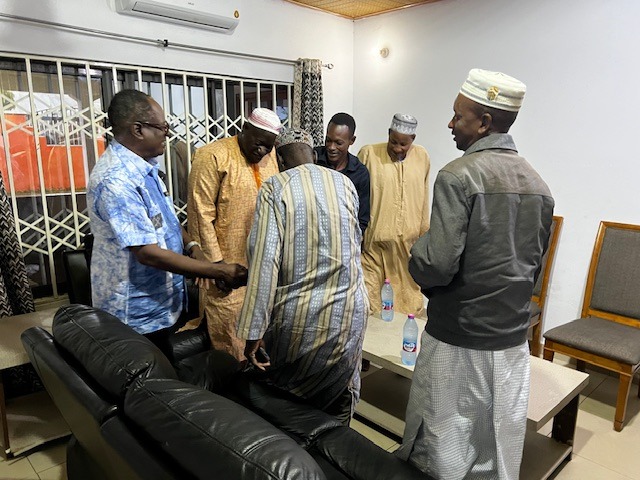
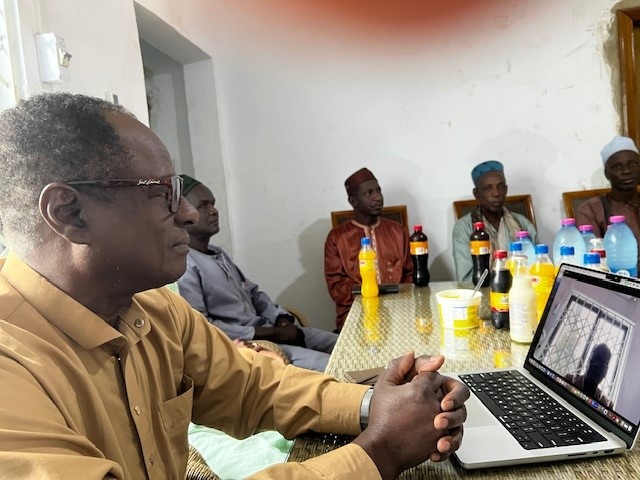
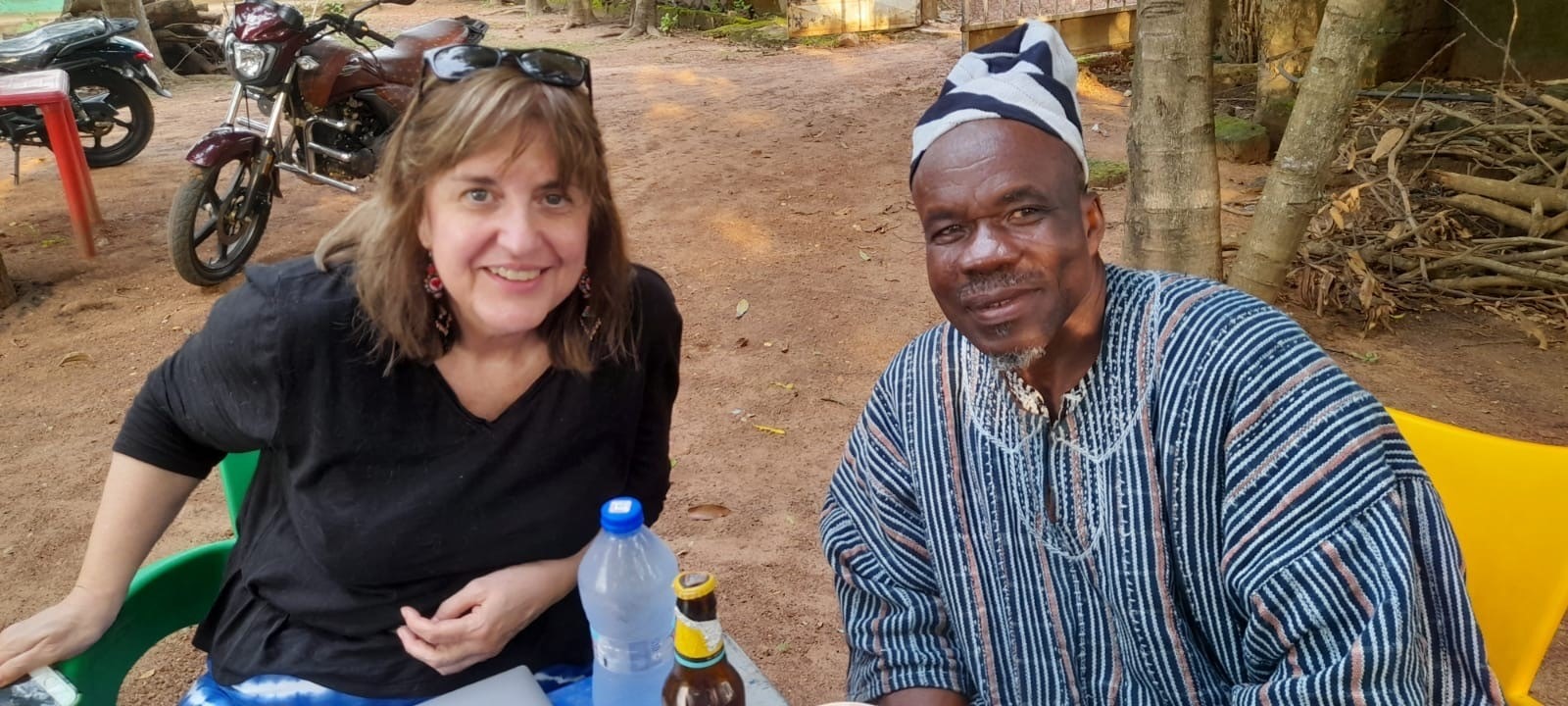
UA Professor Mamadou Baro meets with community members in Sawla, meeting facilitated by Iddrisu and Brogden, Oct 2024